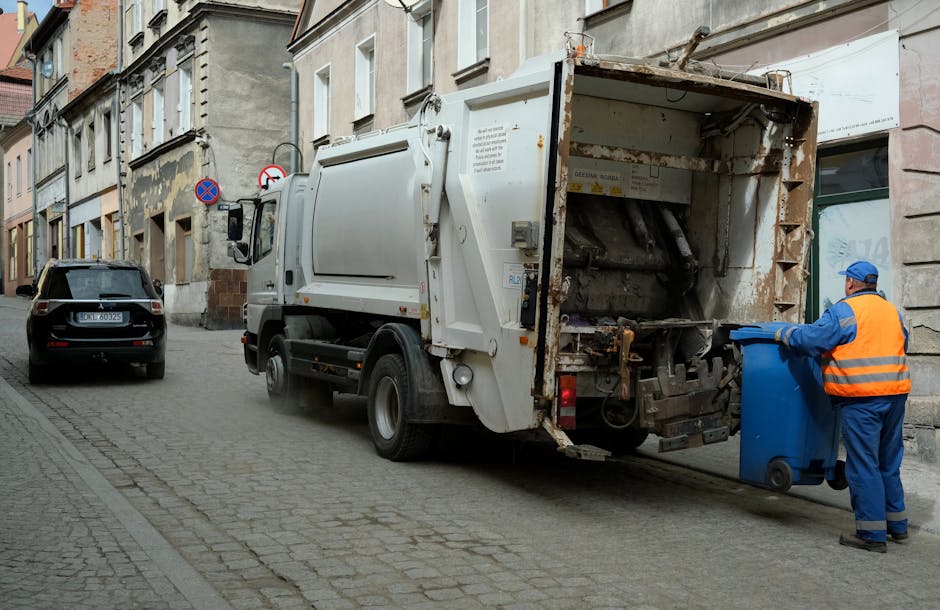
Fitzrovia Charlotte Street rubbish removal guide for flats
If you live in a flat near Charlotte Street, rubbish removal can feel oddly complicated for what should be a simple job. Tight stairwells, shared entrances, bin store rules, parking restrictions, lift bookings, and neighbour sensitivities all get in the way. This Fitzrovia Charlotte Street rubbish removal guide for flats walks you through the practical side of getting rid of unwanted items without making life harder for yourself or the building manager. Whether you are clearing one bulky sofa or a whole flat after a move, the goal is the same: get it done cleanly, quickly, and with as little fuss as possible.
In a busy part of central London, the details matter. A bad lift booking, a missed collection window, or a pile of bags left in the wrong place can become a headache very fast. The good news? With a bit of planning, the process is manageable. And, to be fair, it is usually much less stressful when you know what to expect before the van turns up.
Table of Contents
- Why Fitzrovia Charlotte Street rubbish removal guide for flats Matters
- How Fitzrovia Charlotte Street rubbish removal guide for flats Works
- Key Benefits and Practical Advantages
- Who This Is For and When It Makes Sense
- Step-by-Step Guidance
- Expert Tips for Better Results
- Common Mistakes to Avoid
- Tools, Resources and Recommendations
- Law, Compliance, Standards, or Best Practice
- Options, Methods, or Comparison Table
- Case Study or Real-World Example
- Practical Checklist
- Conclusion
- Frequently Asked Questions
Why Fitzrovia Charlotte Street rubbish removal guide for flats Matters
Flats in Fitzrovia and around Charlotte Street often come with shared access, limited storage, and the kind of building rules that are easy to forget until you are carrying a mattress downstairs. That is why rubbish removal for flats is not quite the same as clearing waste from a house with a driveway. The route through the building, the timing of the collection, and the disposal method all affect how smooth things go.
In practical terms, poor planning can lead to items being left in hallways, complaints from neighbours, or extra trips because a van could not park where expected. If you are dealing with furniture, old appliances, bags of mixed waste, or end-of-tenancy clutter, the right approach can save time and reduce stress. It also helps protect communal areas, which is especially important in well-kept blocks where residents expect the place to look tidy and feel orderly.
There is another reason it matters: different types of waste need different handling. A few pieces of old furniture are one thing. A bag of broken shelves, electrical items, and general household rubbish is something else entirely. Getting that distinction right from the start makes the rest much easier.
Practical takeaway: the best rubbish removal plan for a flat is the one that fits the building, respects the neighbours, and avoids last-minute surprises.
How Fitzrovia Charlotte Street rubbish removal guide for flats Works
For most flats, rubbish removal follows a fairly simple pattern. First, you identify what needs to go. Then you check access, decide whether you need a full clearance or just bulky item removal, and arrange a collection that suits the building schedule. The collection team normally removes items from inside the flat, a hallway, or a loading point if access allows. After that, the waste is sorted for reuse, recycling, or disposal.
The exact process depends on the type of waste and the building layout. A top-floor flat with a narrow stairwell is a different story from a ground-floor apartment with easy rear access. If there is a lift, it may need booking. If there is no lift, you may need a crew that is comfortable carrying items safely down stairs. That sounds obvious, but people often only discover the challenge halfway through.
For residents who want a broader clearance service rather than just waste collection, it can be useful to look at flat clearance as a fuller option. For mixed items such as sofas, wardrobes, or tables, you may also find furniture clearance or furniture disposal more appropriate depending on what is being removed.
In many cases, the smartest approach is not the flashiest one. It is the one that keeps the building calm, the hallway clear, and the collection efficient. Simple, really.
Key Benefits and Practical Advantages
Good rubbish removal for flats is not just about getting things out of the front door. The real benefit is reducing friction. Less lifting for you, fewer trips to the street, less mess in shared spaces, and less uncertainty about what happens next.
- Less disruption: a planned collection means you are not dragging bags out at random times.
- Better use of time: one organised visit is usually more efficient than multiple DIY trips.
- Safer handling: bulky furniture, broken items, and awkward loads can be moved more carefully.
- Cleaner communal areas: hallways and stairwells stay tidier when waste is removed properly.
- More suitable for busy residents: ideal if you are working, travelling, or juggling a move.
There is also a quiet comfort in having the job taken off your hands. If you have ever tried to squeeze a flat-pack carcass through a narrow landing at 7:30 in the morning, you will know exactly what I mean. A proper collection avoids that sort of nonsense.
For residents comparing options, it can help to review waste removal alongside other services. If the job is larger or tied to a property move, home clearance may fit better, while landlords and agents dealing with a complete property may prefer house clearance.
Who This Is For and When It Makes Sense
This guide is useful for tenants, leaseholders, landlords, property managers, letting agents, and anyone helping a family member clear a flat in Fitzrovia or on Charlotte Street. It is especially relevant if you are dealing with time pressure, limited storage, or a building with strict access rules.
Typical situations include:
- end-of-tenancy clear-outs
- pre-sale or pre-let preparation
- bulky furniture removal
- post-refurbishment waste from a flat
- clearing an inherited apartment
- sorting out storage clutter that has built up over years
Truth be told, many people wait until the pile becomes visually impossible to ignore. A cupboard spills out, a spare chair appears in the bedroom, then suddenly the place feels smaller than it is. That is usually the moment rubbish removal becomes less of a nice-to-have and more of a necessity.
If the waste comes from a work-from-home setup, a spare room office, or a small business operating from a flat, you might also find office clearance useful. For mixed domestic collections, home clearance is often the more flexible route.
Step-by-Step Guidance
Here is a practical way to handle rubbish removal from a flat without making the process messy or overcomplicated.
- Sort everything first. Separate general rubbish, furniture, reusable items, electricals, and anything potentially hazardous. Even a rough sort helps.
- Check access. Measure larger items, look at stair widths, and consider where a team or van can actually reach.
- Confirm building rules. Some blocks require lift bookings, loading bay notices, or advance approval for collections.
- Group items by room or type. This makes loading faster and reduces confusion on the day.
- Take photos if needed. A few clear pictures can help with quoting and planning, especially for bulky furniture or mixed loads.
- Choose the right service level. If it is a few bits of waste, standard collection may be enough. For a full flat, a clearance service is often better.
- Keep the route clear. Hallways, doors, and entrances should be free of obstacles before the team arrives.
- Final sweep. After removal, check cupboards, under beds, and balcony storage. People forget those spots all the time.
A small but useful detail: if you have items to keep, move them well away from the collection area. It sounds basic, but when a room is half-packed and a sofa is on its side, it is very easy for something important to get mixed in. Nobody wants that awkward moment.
For larger or heavier items, a specialist disposal option such as furniture disposal can be the safest and cleanest route. If the job includes awkward storage spaces, loft clearance may also be relevant.
Expert Tips for Better Results
A few small decisions can make a big difference. The best collections usually look effortless from the outside because the preparation was done properly.
- Book for a sensible time window. Mid-morning often works better than peak commuter hours in central London.
- Use labels if the flat is busy. Mark items as keep, remove, donate, or unsure. It saves a lot of back-and-forth.
- Be realistic about lifting. A wardrobe that seems manageable in the living room can become a different beast on the stairs.
- Tell the crew about anything awkward. Narrow door, heavy marble top, fragile mirrors, tight turn on the landing. Mention it.
- Keep neighbours in mind. A short note in the lobby or a quiet heads-up to the porter can prevent annoyance.
If you are getting rid of mixed waste after decorating or a small upgrade, builders waste clearance may be a better match than standard rubbish removal. For residents who like the environmental side done properly, it is worth checking how the provider approaches recycling and sustainability.
One more thing: keep a bag of essentials separate if you are clearing the whole flat. Keys, charging cables, documents, and medicines have a habit of disappearing into the noise. Happens more than people admit.
Common Mistakes to Avoid
Most problems in flat rubbish removal are avoidable. The trouble is they only look small until they slow the whole job down.
- Leaving sorting until collection day: this causes delays and makes quotes less accurate.
- Ignoring building access rules: a missed booking can derail the day.
- Underestimating bulky items: sofas, bed frames, and wardrobes take more planning than bags of rubbish.
- Mixing keep and remove piles: it is an easy mistake, especially during a rushed move.
- Forgetting lift restrictions: some lifts are too small for larger items, which can force stair carrying.
- Assuming all waste is handled the same way: electrical items, furniture, and general rubbish may need different treatment.
A common one, and it always sounds harmless at first, is "we will just put it in the hallway for now." In a shared building, that can create real problems. Hallways are not storage. They are escape routes, and residents notice quickly when they are blocked.
Tools, Resources and Recommendations
You do not need a van-load of gadgets to organise rubbish removal, but a few simple tools help a lot.
- Tape measure: useful for checking whether furniture will fit through doors and lifts.
- Marker pen and labels: ideal for marking items to keep, remove, or recycle.
- Strong bags or boxes: helpful for smaller items, loose clutter, and mixed household waste.
- Phone camera: photos help with planning and quoting.
- Basic gloves: sensible for handling dusty or sharp-edged items.
If the collection is being arranged as part of a broader property project, it can be useful to browse pricing and quotes so you know how the service is typically assessed. If you want to understand the company background and approach before booking, about us is the natural place to start. For booking or questions about your flat, contact us is the sensible next step.
For anyone concerned about service standards, it can also be reassuring to read the site's insurance and safety information and the health and safety policy. These details matter more than people think, especially when heavy lifting and shared access are involved.
Law, Compliance, Standards, or Best Practice
Flat rubbish removal in London should be handled with care and with the right paperwork and procedures where needed. You do not need to become an expert in waste law to get this right, but a few principles matter.
First, waste should be passed to a provider that can handle it responsibly. As a resident, you should avoid fly-tipping, dumping items in communal areas, or leaving waste on pavements unless it is part of an arranged collection. That is common sense, but it is also part of good practice in a city where space is tight and shared use matters.
Second, if your flat contains items that may be classed as hazardous, damaged electricals, or materials from refurbishment work, mention them early. Careful handling is not just about convenience. It is about safety. A provider that works to clear internal procedures, insurance standards, and responsible disposal processes is usually the safer choice.
Third, building rules matter. Private blocks, mansion blocks, and modern developments in Fitzrovia can all have different access expectations. Some require prior notice, some need proof of insurance, and some have strict loading periods. Best practice is to confirm this before collection day, not after.
Finally, data security can be relevant in flat clearances too. If old paperwork, letters, or office files are being removed, keep sensitive documents separate. That simple step saves avoidable worry later. A little boring? Yes. Still worth doing.
Options, Methods, or Comparison Table
There is more than one way to deal with rubbish from a flat, and the best option depends on volume, access, and how much time you have.
| Method | Best for | Pros | Trade-offs |
|---|---|---|---|
| Self-removal | Very small amounts, a few bags | Low direct cost, full control | Time-consuming, awkward without a vehicle, hard with bulky items |
| One-off rubbish collection | Mixed household waste, smaller loads | Quick, convenient, less lifting | May not suit full-flat clearances or very bulky furniture |
| Flat clearance service | Multiple rooms, end-of-tenancy, bigger jobs | Most efficient for larger clear-outs, usually less stress | Needs good planning and clear access details |
| Furniture-focused removal | Sofas, tables, beds, wardrobes | Best for bulky items, cleaner removal process | Less suitable if the job also includes general waste |
For many Charlotte Street flats, the sweet spot is a mixed service that handles both rubbish and larger household items in one go. That keeps the process neat. And, honestly, it is nicer than juggling multiple bookings.
Case Study or Real-World Example
Here is a realistic example. A tenant in a Fitzrovia flat near Charlotte Street was moving out at the end of a tenancy and had a mix of old books, a broken desk chair, two bedside tables, a mattress, several bags of household rubbish, and a few items they were still deciding about. The flat was on an upper floor, the building had a small lift, and the managing agent required advance notice for any collection.
The first step was sorting the items into keep, remove, and unsure. The tenant then cleared the hallway, checked the lift dimensions, and separated the reusable furniture from the general waste. Photos were taken of the larger items, which helped with planning. On collection day, the route through the flat was ready, the access point was clear, and the work was completed in one visit.
The useful part of this example is not that it was dramatic. It was not. It was just organised. No piles in the hallway, no debate about whether the mattress would fit, no awkward delay while the building searched for a lift key. That kind of calm is what you want in a flat clearance job. Quietly efficient is usually best.
Practical Checklist
Use this checklist before booking rubbish removal for a flat in Fitzrovia or on Charlotte Street.
- List everything you want removed.
- Separate furniture, general waste, electrical items, and anything fragile.
- Measure large items and key access points.
- Check if the lift, stairwell, or loading area has restrictions.
- Confirm building rules with the manager or concierge.
- Take photos of bulky or awkward items.
- Keep valuables, documents, and essentials in a separate place.
- Clear hallways and doorways before the collection.
- Choose the right service type for the volume of waste.
- Review recycling, safety, and insurance information if needed.
If you can tick off most of that list, you are already ahead of the game. Not perfect, just prepared. Which, let's face it, is usually enough.
Get a free quote today and see how much you can save.
Conclusion
Fitzrovia Charlotte Street rubbish removal for flats is really about managing a small but messy set of moving parts: access, timing, building rules, item type, and the amount of work involved. When those parts are handled properly, the job becomes straightforward. When they are ignored, it can become a frustrating little drama that eats up your day.
The safest path is to plan early, sort items before the collection, and choose a service that matches the realities of flat living in central London. That means thinking about stairwells, lifts, neighbours, and the actual size of the load, not just the idea of getting rid of it. Once you do that, the rest tends to fall into place.
If your flat is cluttered right now, that is okay. Start with one room, one corner, one bag. Progress looks better than perfection.
Frequently Asked Questions
What is the best way to arrange rubbish removal from a flat in Fitzrovia?
The best way is to sort the waste first, check access and building rules, then book a collection that matches the amount and type of waste. For larger jobs, a flat clearance service is usually the most practical option.
Can rubbish be collected from inside my flat?
Yes, in many cases it can. That depends on access, item size, and building permissions. If the route through the property is clear, inside collection is often the easiest and safest method.
Do I need to separate furniture from general rubbish?
It is usually a good idea. Furniture, electrical items, and general waste may need different handling. Separating them also makes the collection quicker and helps avoid confusion on the day.
What if my flat is on an upper floor with no lift?
That is common in central London, so it is not a problem in itself. You just need to mention it early so the collection can be planned with the right access and lifting arrangements.
How far in advance should I book rubbish removal?
As soon as you know what needs to go. If you are working around move-out dates, building restrictions, or a tight schedule, earlier booking gives you much more breathing room.
Can I leave rubbish in the hallway before collection?
Only if the building rules allow it and the collection has been arranged for that exact time. In most cases, hallways should stay clear because they are shared spaces and emergency routes.
Is flat clearance better than standard rubbish removal?
If you have several rooms of items, bulky furniture, or a whole property to clear, yes. Flat clearance is usually more suitable than a small one-off rubbish collection.
What kinds of items are most awkward to remove from flats?
Large wardrobes, mattresses, sofas, desks, and awkwardly shaped furniture are the usual suspects. They can be removed, but they need a bit more planning than bags of waste.
How can I make collection day go more smoothly?
Clear the route, label what is going, keep items grouped together, and warn the provider about any access issues. A tidy start makes a surprisingly big difference.
What should I do with items I still want to keep?
Move them away from the collection area and separate them clearly. If possible, put them in another room or mark them so nobody mistakes them for waste.
Does rubbish removal include recycling?
It should be handled responsibly, with recyclable materials separated where possible. If sustainability matters to you, check the provider's approach to recycling and reuse before booking.
Who should I contact if I am unsure about the right service?
If you are not sure whether you need waste removal, furniture disposal, or a full clearance, contact the provider and describe the flat, the access, and the items. A clear description usually gets you the right advice quickly.