Recycling and Sustainability at Fitzrovia House Clearance
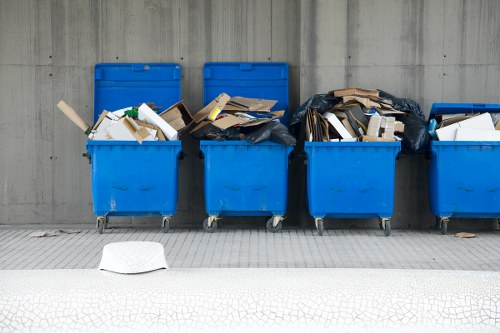 At Fitzrovia House Clearance our commitment to recycling and sustainability is central to every job. We operate an eco-friendly waste disposal area approach that reduces landfill and supports local circular economy initiatives. Our team sorts items on-site where feasible, separating metals, paper and card, glass, plastics and textiles to maximise reuse and responsible recycling. This page explains our targets, local logistics, partnerships with charities and the low-carbon measures we use while conducting house clearances across Fitzrovia and neighbouring boroughs.
We aim to achieve a clear, measurable impact: a recycling percentage target of 85% of all recoverable material from standard house clearances by 2027. This recycling and sustainability goal is ambitious but realistic because of our strong local networks and strict sorting protocols. By prioritising reuse and donation before recycling, we reduce energy and resource demand associated with reprocessing materials and help keep usable household items in circulation.
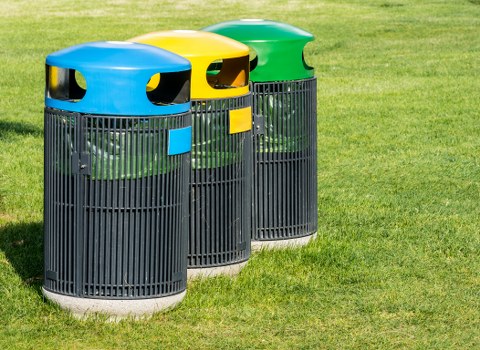
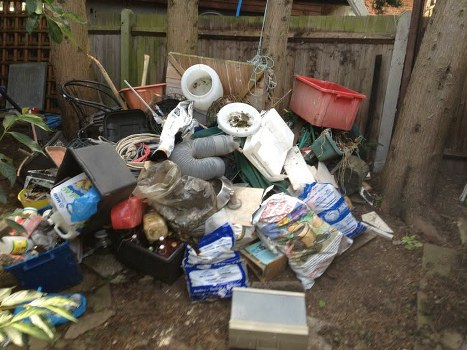 Our operations respect the different waste separation schemes used by central London boroughs. Fitzrovia sits near Camden and the City of Westminster, where borough approaches to waste separation typically include separate collections for paper and card, glass, mixed recyclables and food waste. We adapt to these systems: when materials are destined for municipal recycling streams we ensure they are clean and correctly separated to avoid contamination and rejection at the processing stage.
Local transfer stations and sustainable rubbish area logistics
We work with a network of local transfer stations and municipal facilities to keep our sustainable rubbish area footprint minimal. These local transfer stations, including municipal transfer facilities serving central London, accept sorted loads and redirect materials to appropriate reprocessing plants or specialist recyclers. Using nearby transfer hubs shortens haulage distances and reduces emissions compared with long, cross-city journeys to distant facilities.
 To further bolster the circular economy in the Fitzrovia area, we maintain partnerships with charities and community reuse centres. Items in good condition—furniture, appliances, books, cookware and textiles—are offered to charities for resale or direct community support. Our charity partners receive regular collections, and we log donations to ensure transparency and maximise the social benefit from recovered goods.
We also coordinate with specialist recycling outlets for items that require bespoke handling: electricals (WEEE), batteries, mattresses and mattresses springs, medical equipment and hazardous household waste. This ensures all streams are processed at authorised facilities rather than being mixed into general refuse, strengthening our sustainable rubbish area protocols and improving overall diversion rates.
Low-carbon vans, route optimisation and materials breakdown
Our fleet includes low-carbon vans that run on hybrid or electric drivetrains where operationally appropriate. These vehicles reduce tailpipe emissions during collection and delivery to transfer stations and charity partners. Route optimisation software minimises miles travelled and idle time, and we prioritise consolidated loads so fewer journeys are required per clearance.
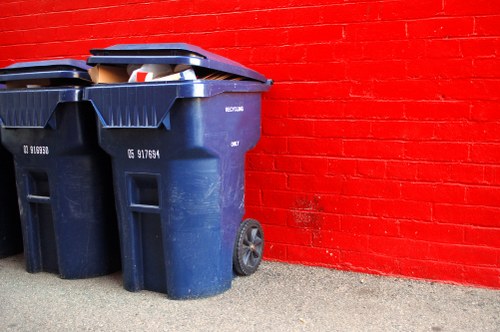 We identify common recycling activities relevant to the area and ensure best practice handling for each material type. Examples include:
- Paper and cardboard: flattened and kept dry for municipal streams or taken to commercial paper recycling.
- Glass: separated by colour when possible to increase recycling efficacy.
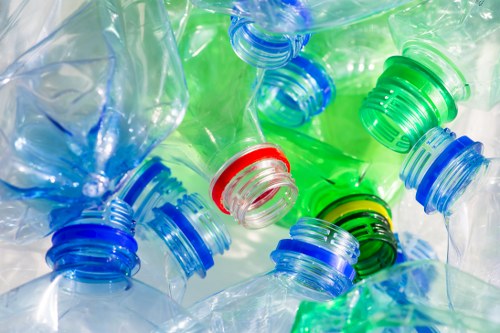
- Plastics: sorted by resin type and cleanliness to avoid contamination.
- Electrical items (WEEE): sent to authorised processors for de-pollution and component recovery.
- Textiles and furniture: evaluated for reuse, then diverted to charity or specialist textile recyclers.
 We continuously review our performance and publish internal reports to track progress toward our recycling percentage target. Regular audits help us refine sorting rules, increase donation rates and identify new charity partners or processing facilities. Our approach is iterative: by learning from each clearance we increase recovery rates and reduce the residual waste that must be landfilled.
Beyond operational measures, our team engages with the local community and clients to promote responsible disposal habits. We provide clear information about what can be reused, recycled or responsibly disposed of and encourage pre-clearance sorting when possible. This collaborative approach helps residents in Fitzrovia and surrounding boroughs understand how to support the local eco-friendly waste disposal area strategy.
The environmental benefits are clear: higher diversion rates conserve raw materials, lower greenhouse gas emissions via reduced processing and transport, and support local charities that turn donations into community value. By combining a strong sustainable rubbish area policy with practical logistics—local transfer stations, charity partnerships and low-carbon vans—we deliver house clearance services that respect people and the planet.
We remain committed to transparency and continual improvement. As policies and local borough waste separation schemes evolve, Fitzrovia House Clearance will adapt its processes to remain an effective partner in the move toward a more circular, low-carbon future for our neighbourhood.